

The Advantages of Having a Light Incorporated in Your Kitchen Island
Incorporating a light into your kitchen island is more than just a stylish design choice—it’s a functional upgrade that enhances the usability, ambiance, and overall aesthetic of your kitchen space. Here are some key advantages:
1. Improved Task Lighting
A kitchen island often serves as a multifunctional area—for meal prep, cooking, or even working from home. A built-in light provides focused illumination exactly where it's needed, making chopping, mixing, or reading recipes easier and safer.
2. Enhanced Aesthetics
Lighting adds a touch of sophistication to your kitchen design. Whether you choose pendant lights, under-counter LEDs, or recessed lighting, the right illumination can turn your island into a striking centerpiece.
3. Better Ambiance Control
Incorporated lighting allows for layered lighting options. With dimmable features, you can shift from bright task lighting during food prep to soft, ambient light for entertaining or evening relaxation.
4. Increased Home Value
Modern, well-lit kitchen islands are a popular feature for homebuyers. They signal thoughtful design and attention to detail, which can positively impact resale value.
5. Space Efficiency
Instead of relying solely on ceiling lights or lamps, integrated island lighting offers a space-saving solution that keeps the kitchen open and uncluttered.
In conclusion, adding lighting to your kitchen island combines beauty with practicality, making your kitchen more inviting, functional, and valuable.

Luxury in Layers: The Rise of Onyx Worktops in High-End Interiors
In the world of luxury interiors, few materials evoke the same sense of drama and opulence as onyx. Once reserved for ornamental accents and statement pieces, onyx is now stepping into the spotlight—literally—as a bold choice for kitchen islands, bathroom vanities, and even backlit bar tops.
Unlike granite and quartz, onyx is a translucent stone, allowing light to pass through its surface. This unique quality has led to a design trend that's turning heads: backlit onyx worktops. Whether used with warm LED strips or colour-changing smart lighting, the result is a glowing centrepiece that elevates any space from stylish to spectacular.
Designers are embracing onyx not just for its light-transmitting properties but for its stunning natural patterns. Available in swirling shades of amber, cream, green, and black, each slab is one-of-a-kind—making it the ultimate statement of luxury and individuality.
That said, onyx isn’t for every kitchen. It's softer and more porous than granite or quartz, meaning it's more prone to scratching, staining, and etching from acidic substances. For this reason, it’s often chosen for low-traffic or feature areas or installed with extra care and sealing.
Despite its delicacy, the allure of onyx continues to grow. In modern high-end interiors, function sometimes bows to form—and for those seeking something truly extraordinary, onyx delivers luxury in glowing, layered perfection.
How Granite Is Made by Nature...
Granite is a natural igneous rock formed deep within the Earth's crust over millions of years. Its creation begins when molten rock, or magma, slowly cools and solidifies beneath the Earth's surface. Because this process happens underground and takes a long time, large crystals of minerals such as quartz, feldspar, and mica have time to grow. These crystals give granite its distinctive speckled appearance.
The slow cooling process allows the minerals to interlock, making granite very strong and durable. Over time, geological processes like tectonic activity and erosion expose the granite at the surface, where it is often quarried for use in construction and decoration. This combination of deep-earth formation and surface exposure makes granite both beautiful and resilient.

Porcelain Worktops: A Sleek and Durable Choice for Modern Kitchens
Porcelain worktops have quickly become a popular choice for homeowners and designers seeking a blend of style, functionality, and durability. Made from a refined clay that is fired at extremely high temperatures, porcelain offers a non-porous, hard-wearing surface that stands up well to daily kitchen use.
One of the key advantages of porcelain worktops is their resistance to stains, scratches, heat, and UV light. This makes them ideal for busy kitchens, outdoor spaces, and even bathroom countertops. Unlike natural stone, porcelain doesn’t require sealing, making maintenance easy and hassle-free.
Design versatility is another major draw. Porcelain worktops are available in a wide range of colors, finishes, and patterns—including realistic imitations of marble, granite, and wood—allowing homeowners to achieve a luxurious look without the cost or upkeep of natural materials.
Lightweight yet strong, porcelain can also be manufactured in ultra-thin slabs, giving a sleek and contemporary aesthetic that works well in minimalist and modern interiors.
In summary, porcelain worktops offer a compelling combination of durability, low maintenance, and stylish versatility, making them an excellent investment for any modern kitchen or living space.

How Quartz Worktops Are Made: From Raw Mineral to Polished Perfection?
Quartz worktops have become a top choice for homeowners and designers due to their stunning appearance, durability, and low maintenance. Unlike natural stone slabs like granite or marble, quartz worktops are engineered stone, made from crushed natural quartz combined with resin and pigments. Here’s a step-by-step look at how quartz worktops are made.
1. Sourcing and Crushing Natural Quartz
The process begins with the mining of natural quartz, one of the hardest and most abundant minerals on Earth. Once extracted, the quartz is:
- Crushed into fine granules or powder;
- Sorted by size,depending on the texture and look needed
- Cleaned to remove impurities, which helps maintain a consistent colour and quality
2. Mixing with Resin and Pigments
Next, the quartz granules are combined with:
- Polymer resins (usually 5–10% of the mix) to bind the quartz together
- Pigments to create different colours and patterns, mimicking natural stone or offering more modern, consistent styles
- Optional additives, such as recycled glass or metallic flecks, to enhance the look
This mixture is what forms the base of the engineered quartz slab.
3. Moulding and Compacting
The quartz-resin mixture is poured into large moulds shaped like slabs. The mixture is then:
- Compressed using vacuum and vibration to remove air pockets
-Pressed under intense pressure (over 100 tons in some cases) to form a dense, solid surface
This step ensures that the worktop is non-porous, smooth, and very strong.
4. Curing the Slabs
After pressing, the slabs are cured in industrial ovens at temperatures around 85°C (185°F). This heating process:
- Hardens the resin
- Locks the structure in place
- Prepares the slab for final treatment
The result is a rigid, durable surface that resists scratches, stains, and heat.
5. Finishing and Polishing
Once cured and cooled, the slabs undergo finishing:
- Cutting to size for kitchen counters, bathroom vanities, etc.
- Edge shaping(e.g., bevelled, rounded, or square edges)
- Polishing to achieve a glossy, matte, or textured finish
- Optional sealing for extra protection (though quartz is already non-porous)
6. Quality Control and Installation
Every slab is inspected for defects, colour consistency, and thickness before being sent out. Fabricators then:
- Measure the customer’s space
- Cut the slab to custom dimensions
- Install it with precise joins and supports
The final product is a sleek, strong, and stylish quartz worktop ready to handle daily use.
Conclusion
Quartz worktops combine nature and technology to create a surface that’s both beautiful and practical. Through an advanced manufacturing process, raw quartz is transformed into a durable and elegant centrepiece for kitchens and bathrooms around the world. Whether you want a marble-inspired pattern or a bold, modern colour, quartz offers a wide range of options with exceptional performance.

Quartz or Granite ....that is the big question?
Quartz vs. Granite : A Comprehensive Comparison
When it comes to choosing a countertop material, two of the most popular options are quartz and granite. Both offer unique advantages and can greatly enhance the aesthetic and functionality of a space. In this article, we’ll break down the key differences between quartz and granite to help you make an informed decision.
Composition
Quartz:Quartz countertops are engineered using around 90-95% natural quartz combined with resins, pigments, and other materials. This makes quartz non-porous and resistant to staining.
Granite: Granite is a natural stone quarried from the earth and cut into slabs. It is composed primarily of minerals like quartz, feldspar, and mica, giving each slab a unique and natural appearance.
Appearance
Quartz: Offers a consistent, uniform look with a wide range of colour and pattern options, including those that mimic natural stones.
Granite:Features a more organic, natural pattern with unique veining and colour variations. No two granite slabs are identical.
Durability
Quartz: Highly durable and resistant to scratches, stains, and chips. Due to its non-porous nature, it does not require sealing.
Granite: Extremely durable and heat resistant but can be prone to staining and requires periodic sealing to maintain its resistance to liquids.
Maintenance
Quartz:Low maintenance; simply wipe with mild soap and water. No sealing required.
Granite:Needs regular sealing to protect against stains and bacterial buildup. Cleaning requires pH-neutral cleaners.
Cost
Quartz : Generally more expensive than granite due to the manufacturing process.
Granite : Pricing varies widely based on rarity and quality, but it can be more affordable than quartz in some cases.
Environmental impact
Quartz: Manufactured, which can lead to environmental concerns related to resin and processing.
Granite: A natural stone but requires significant energy for quarrying and transportation.
Final Thoughts:
Both quartz and granite have their own sets of pros and cons, making the choice largely dependent on personal preference, budget, and lifestyle. Quartz offers consistency and low maintenance, while granite provides natural beauty and uniqueness. Consider your priorities and desired aesthetics to make the best choice for your space.

Quartz Composite Sinks: A Durable and Stylish Choice for Your Kitchen
A kitchen sink is one of the most frequently used fixtures in any home, and choosing the right material can significantly impact both functionality and aesthetics. Among the many options available, quartz composite sinks have gained popularity due to their durability, stylish appearance, and resistance to daily wear and tear. In this article, we’ll explore what quartz composite sinks are, their advantages, maintenance tips, and why they might be the perfect addition to your kitchen.
What is a Quartz Composite Sink?
A quartz composite sink is made from a combination of natural quartz stone and acrylic resins. Typically, these sinks contain around 70–80% crushed quartz and 20–30% resin binders, resulting in a highly durable and non-porous surface. This combination mimics the beauty of natural stone while offering enhanced strength and resistance to common kitchen challenges such as stains, scratches, and heat.
Advantages of Quartz Composite Sinks
1. Exceptional Durability
Quartz composite is one of the toughest materials available for sinks. It resists scratches, dents, and chips, making it ideal for busy kitchens. Unlike stainless steel, it does not dent, and compared to ceramic sinks, it is less likely to crack under impact.
2. Heat and Stain Resistance
These sinks can withstand high temperatures, typically up to 530°F (277°C), meaning you can place hot pots and pans in the sink without worrying about damage. Additionally, the non-porous nature of quartz composite prevents stains from coffee, wine, and food dyes from seeping into the surface.
3. Aesthetic Appeal
Quartz composite sinks are available in a variety of colors, including black, white, gray, beige, and even bold shades like blue or green. Unlike stainless steel sinks, they do not show water spots or fingerprints, maintaining a clean and polished look with minimal effort.
4. Noise Reduction
Compared to metal sinks, quartz composite sinks offer superior sound absorption. This means that running water, clattering dishes, and garbage disposal noise are significantly reduced, creating a quieter kitchen environment.
5. Easy Maintenance
The non-porous surface makes quartz composite sinks resistant to bacteria and mold, contributing to better hygiene. Cleaning is simple—just use mild soap, warm water, and a soft sponge. Unlike some natural stone sinks, quartz composite does not require sealing or special treatments.
Potential Drawbacks of Quartz Composite Sinks
While quartz composite sinks offer numerous benefits, there are a few drawbacks to consider:
- Weight: These sinks are heavier than stainless steel or acrylic sinks, so professional installation with reinforced cabinetry may be necessary.
- Limited Design Flexibility: Unlike stainless steel, which can be formed into various shapes and sizes, quartz composite sinks typically come in predefined shapes and sizes.
- Potential for Chipping: While highly durable, quartz composite sinks can chip or crack if subjected to excessive force, such as dropping a heavy pan onto the surface.
How to Maintain a Quartz Composite Sink
To keep your quartz composite sink looking pristine, follow these maintenance tips:
- Daily Cleaning: Wipe down the sink with a soft sponge and mild dish soap after each use. Avoid harsh scouring pads.
- Avoid Harsh Chemicals: Do not use bleach or strong chemical cleaners, as they can damage the surface. Instead, opt for baking soda or vinegar solutions for tougher stains.
- Prevent Hard Water Stains: If you live in an area with hard water, dry the sink after use to prevent mineral buildup. You can also use a vinegar-water mixture to remove deposits.
- Handle Heavy Items with Care: While durable, be mindful of dropping heavy cookware or objects into the sink to prevent chips or cracks.
Are Quartz Composite Sinks Right for You?
Quartz composite sinks are an excellent choice for homeowners who prioritize durability, low maintenance, and aesthetics. They work well in both modern and traditional kitchens, providing a seamless blend of beauty and practicality. While they may cost more than stainless steel or acrylic sinks, their longevity and premium look make them a worthwhile investment.
If you’re considering upgrading your kitchen sink, a quartz composite sink could be the perfect balance of function and style. With proper care, it will remain a beautiful and functional centrepiece in your kitchen for years to come.
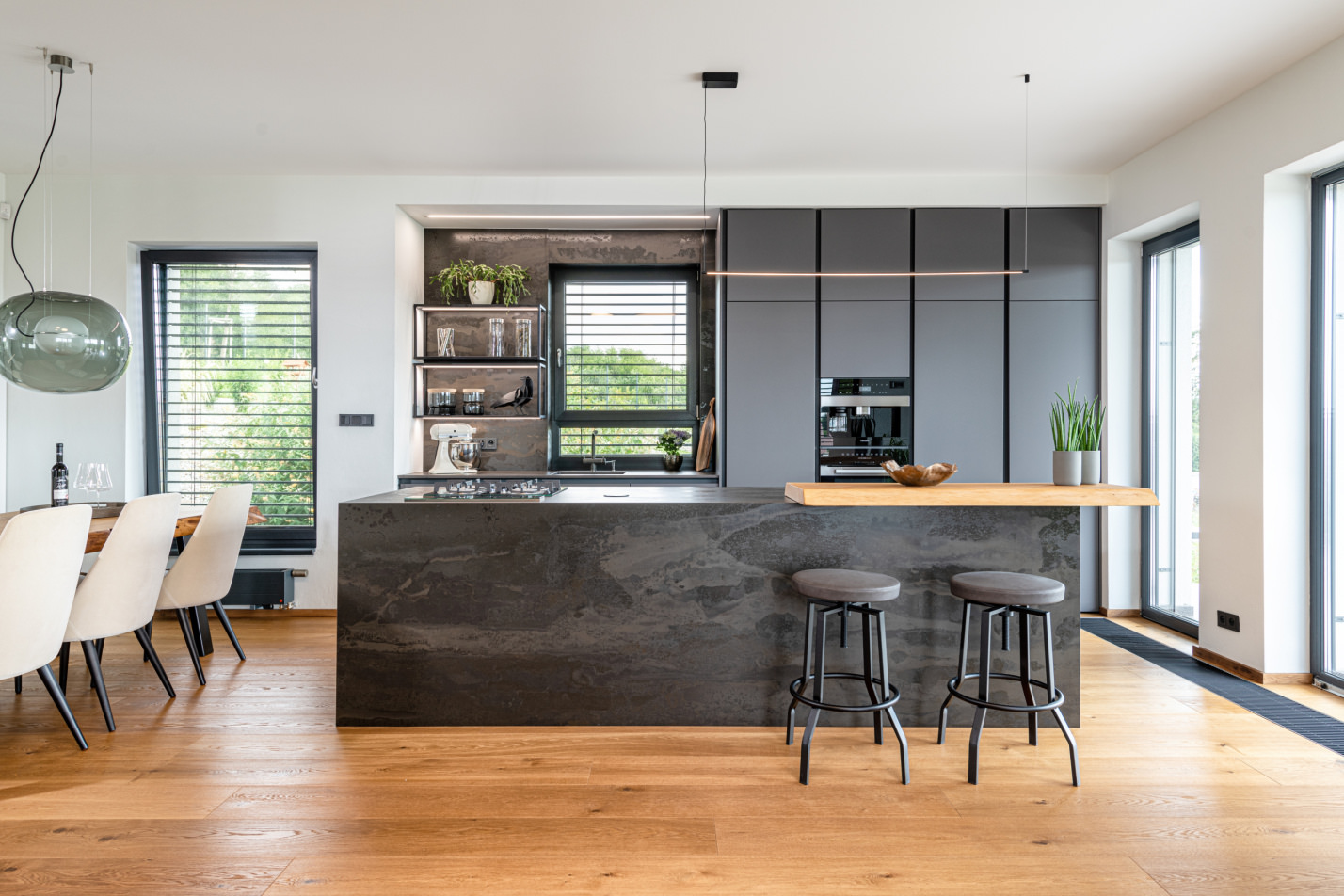
The Benefits of Choosing a Quartz Worktop.
When selecting a kitchen or bathroom worktop, quartz is one of the best choices available. It combines durability, beauty, and low maintenance, making it a popular option for homeowners and designers alike. Here are some key benefits of choosing a quartz worktop:
1. Durability and Strength
Quartz is an engineered stone made from natural quartz crystals combined with resins and pigments. This makes it incredibly strong and resistant to scratches, stains, and chips, ensuring longevity in busy kitchen environments.
2. Low Maintenance.
Unlike natural stone surfaces like granite or marble, quartz is non-porous. This means it doesn’t require sealing and is resistant to bacteria, moisture, and stains. A simple wipe with soap and water is enough to keep it looking pristine.
3. Aesthetic Appeal
Quartz worktops are available in a wide range of colours and patterns, including options that mimic natural stones like marble and granite. Whether you prefer a sleek modern look or a more traditional design, quartz offers styles to suit any décor.
4. Hygienic and Non-Porous.
The non-porous nature of quartz prevents the absorption of liquids and bacteria, making it an ideal choice for food preparation areas. This makes it a more hygienic option compared to porous materials like wood or unsealed natural stone.
5. Resistant to Stains and Spills.
Quartz resists common household stains from coffee, wine, oil, and acidic foods, making it a worry-free surface for kitchens. Its resistance to discolouration ensures long-lasting beauty.
6. Eco-Friendly Option.
Many quartz worktops are made using recycled materials, making them a sustainable choice for environmentally conscious homeowners. Additionally, their long lifespan reduces the need for replacements, minimizing waste.
Conclusion:
A quartz worktop is a fantastic investment for any kitchen or bathroom. Its durability, low maintenance, and aesthetic versatility make it a practical yet stylish choice. Whether you're renovating your home or designing a new space, quartz offers a perfect blend of functionality and elegance.

How to choose the edge of your Quartz worktop?
When selecting a quartz worktop, the edge profile is an important design element that influences both aesthetics and functionality. The edge shape can complement your kitchen’s style, enhance safety, and impact durability. Here’s a guide to choosing the right quartz worktop edge for your space. 1. Consider Your Kitchen Style The edge profile should match the overall look of your kitchen:
Modern & Minimalist:
Square or beveled edges create a sleek, contemporary feel. Classic & Traditional: Ogee or bullnose edges add a timeless, elegant touch. Rustic & Farmhouse: A chiseled edge provides a natural, handcrafted appearance.
2. Think About Safety If you have children, rounded edges like bullnose or half-bullnose reduce the risk of injury compared to sharp, square edges.
3. Balance Durability & Maintenance
Square edges are prone to chipping at the corners, so if durability is a priority, a slightly rounded edge like an eased or beveled profile is a better option. Intricate edges, such as ogee or waterfall, may require more cleaning as they can collect dust and debris.
4. Budget Considerations
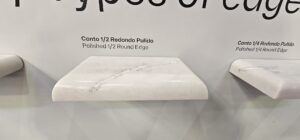
Standard edges (square, eased, or beveled) are typically included in the price of the quartz slab, while more detailed designs (ogee, mitered, or laminated) may come at an extra cost due to additional fabrication work. Popular Quartz Worktop Edge Profiles Square: Sharp and modern, but prone to chipping. Eased: A softened version of the square edge for better durability. Beveled: A slanted edge for a subtle decorative touch. Bullnose: Fully rounded for safety and a classic look. Ogee: A stylish, layered curve for an elegant finish. Mitered: Creates a seamless thick-edge look, great for luxurious designs. Chiseled: A raw, natural edge for a bold statement. Final Thoughts Your quartz worktop’s edge profile is more than just a finishing detail—it impacts both function and style. Consider your kitchen’s aesthetic, your household’s needs, and your budget before making a choice.
A well-chosen edge will enhance the beauty and longevity of your quartz worktop.
Polished Straight Edge

Polished Round Edge Polished

1/4 Round Edge Ogee Edge
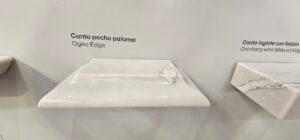
Shark Nose Edge Polished
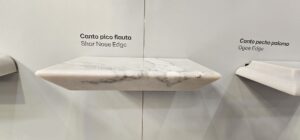
1/2 Round Edge
Overhang with Mitred Edge