


Quartz Composite Sinks: A Durable and Stylish Choice for Your Kitchen
A kitchen sink is one of the most frequently used fixtures in any home, and choosing the right material can significantly impact both functionality and aesthetics. Among the many options available, quartz composite sinks have gained popularity due to their durability, stylish appearance, and resistance to daily wear and tear. In this article, we’ll explore what quartz composite sinks are, their advantages, maintenance tips, and why they might be the perfect addition to your kitchen.
What is a Quartz Composite Sink?
A quartz composite sink is made from a combination of natural quartz stone and acrylic resins. Typically, these sinks contain around 70–80% crushed quartz and 20–30% resin binders, resulting in a highly durable and non-porous surface. This combination mimics the beauty of natural stone while offering enhanced strength and resistance to common kitchen challenges such as stains, scratches, and heat.
Advantages of Quartz Composite Sinks
1. Exceptional Durability
Quartz composite is one of the toughest materials available for sinks. It resists scratches, dents, and chips, making it ideal for busy kitchens. Unlike stainless steel, it does not dent, and compared to ceramic sinks, it is less likely to crack under impact.
2. Heat and Stain Resistance
These sinks can withstand high temperatures, typically up to 530°F (277°C), meaning you can place hot pots and pans in the sink without worrying about damage. Additionally, the non-porous nature of quartz composite prevents stains from coffee, wine, and food dyes from seeping into the surface.
3. Aesthetic Appeal
Quartz composite sinks are available in a variety of colors, including black, white, gray, beige, and even bold shades like blue or green. Unlike stainless steel sinks, they do not show water spots or fingerprints, maintaining a clean and polished look with minimal effort.
4. Noise Reduction
Compared to metal sinks, quartz composite sinks offer superior sound absorption. This means that running water, clattering dishes, and garbage disposal noise are significantly reduced, creating a quieter kitchen environment.
5. Easy Maintenance
The non-porous surface makes quartz composite sinks resistant to bacteria and mold, contributing to better hygiene. Cleaning is simple—just use mild soap, warm water, and a soft sponge. Unlike some natural stone sinks, quartz composite does not require sealing or special treatments.
Potential Drawbacks of Quartz Composite Sinks
While quartz composite sinks offer numerous benefits, there are a few drawbacks to consider:
- Weight: These sinks are heavier than stainless steel or acrylic sinks, so professional installation with reinforced cabinetry may be necessary.
- Limited Design Flexibility: Unlike stainless steel, which can be formed into various shapes and sizes, quartz composite sinks typically come in predefined shapes and sizes.
- Potential for Chipping: While highly durable, quartz composite sinks can chip or crack if subjected to excessive force, such as dropping a heavy pan onto the surface.
How to Maintain a Quartz Composite Sink
To keep your quartz composite sink looking pristine, follow these maintenance tips:
- Daily Cleaning: Wipe down the sink with a soft sponge and mild dish soap after each use. Avoid harsh scouring pads.
- Avoid Harsh Chemicals: Do not use bleach or strong chemical cleaners, as they can damage the surface. Instead, opt for baking soda or vinegar solutions for tougher stains.
- Prevent Hard Water Stains: If you live in an area with hard water, dry the sink after use to prevent mineral buildup. You can also use a vinegar-water mixture to remove deposits.
- Handle Heavy Items with Care: While durable, be mindful of dropping heavy cookware or objects into the sink to prevent chips or cracks.
Are Quartz Composite Sinks Right for You?
Quartz composite sinks are an excellent choice for homeowners who prioritize durability, low maintenance, and aesthetics. They work well in both modern and traditional kitchens, providing a seamless blend of beauty and practicality. While they may cost more than stainless steel or acrylic sinks, their longevity and premium look make them a worthwhile investment.
If you’re considering upgrading your kitchen sink, a quartz composite sink could be the perfect balance of function and style. With proper care, it will remain a beautiful and functional centrepiece in your kitchen for years to come.

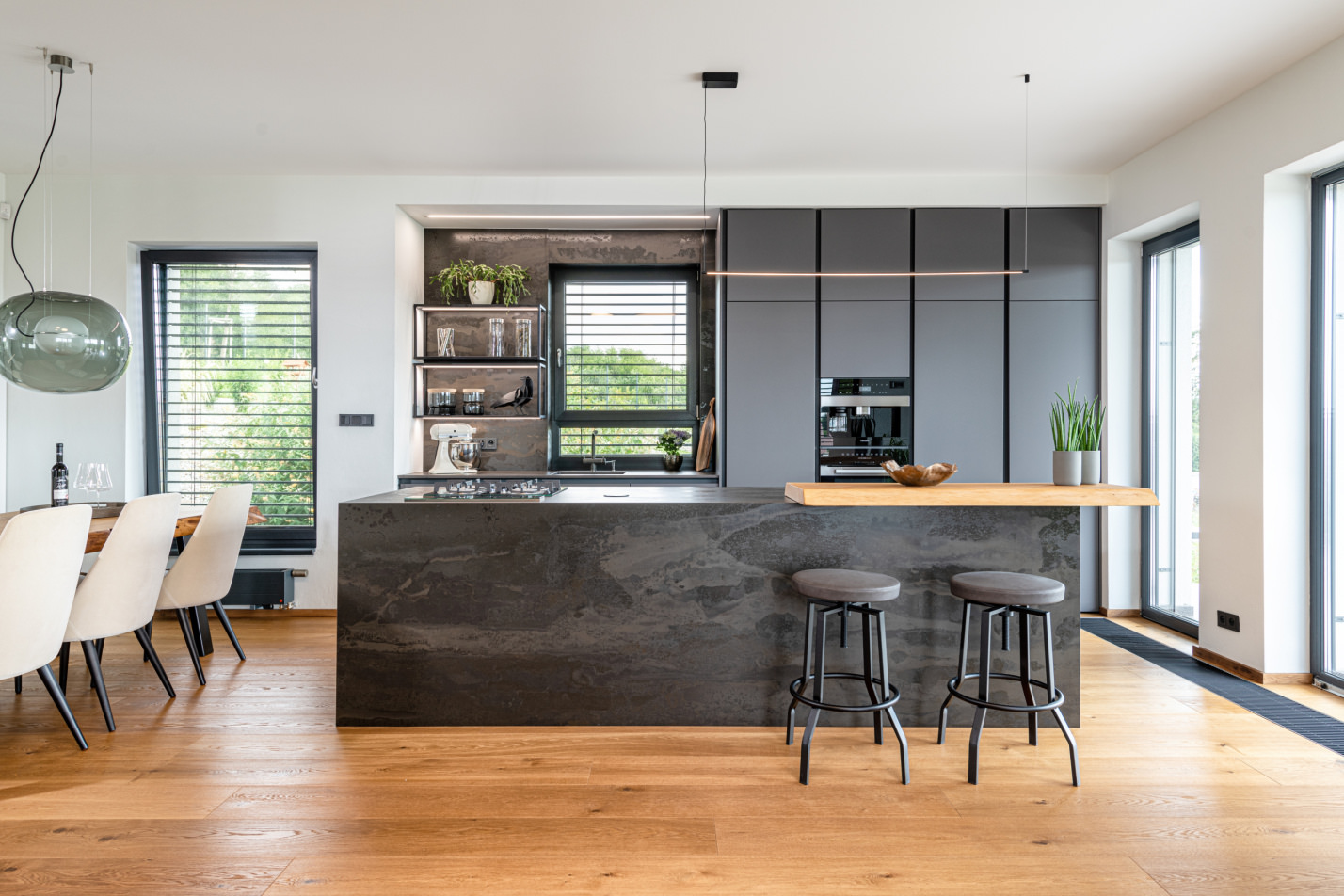
The Benefits of Choosing a Quartz Worktop.
When selecting a kitchen or bathroom worktop, quartz is one of the best choices available. It combines durability, beauty, and low maintenance, making it a popular option for homeowners and designers alike. Here are some key benefits of choosing a quartz worktop:
1. Durability and Strength
Quartz is an engineered stone made from natural quartz crystals combined with resins and pigments. This makes it incredibly strong and resistant to scratches, stains, and chips, ensuring longevity in busy kitchen environments.
2. Low Maintenance.
Unlike natural stone surfaces like granite or marble, quartz is non-porous. This means it doesn’t require sealing and is resistant to bacteria, moisture, and stains. A simple wipe with soap and water is enough to keep it looking pristine.
3. Aesthetic Appeal
Quartz worktops are available in a wide range of colours and patterns, including options that mimic natural stones like marble and granite. Whether you prefer a sleek modern look or a more traditional design, quartz offers styles to suit any décor.
4. Hygienic and Non-Porous.
The non-porous nature of quartz prevents the absorption of liquids and bacteria, making it an ideal choice for food preparation areas. This makes it a more hygienic option compared to porous materials like wood or unsealed natural stone.
5. Resistant to Stains and Spills.
Quartz resists common household stains from coffee, wine, oil, and acidic foods, making it a worry-free surface for kitchens. Its resistance to discolouration ensures long-lasting beauty.
6. Eco-Friendly Option.
Many quartz worktops are made using recycled materials, making them a sustainable choice for environmentally conscious homeowners. Additionally, their long lifespan reduces the need for replacements, minimizing waste.
Conclusion:
A quartz worktop is a fantastic investment for any kitchen or bathroom. Its durability, low maintenance, and aesthetic versatility make it a practical yet stylish choice. Whether you're renovating your home or designing a new space, quartz offers a perfect blend of functionality and elegance.

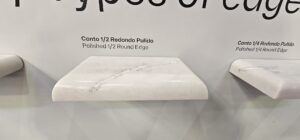
How to choose the edge of your Quartz worktop?
When selecting a quartz worktop, the edge profile is an important design element that influences both aesthetics and functionality. The edge shape can complement your kitchen’s style, enhance safety, and impact durability. Here’s a guide to choosing the right quartz worktop edge for your space. 1. Consider Your Kitchen Style The edge profile should match the overall look of your kitchen:
Modern & Minimalist:
Square or beveled edges create a sleek, contemporary feel. Classic & Traditional: Ogee or bullnose edges add a timeless, elegant touch. Rustic & Farmhouse: A chiseled edge provides a natural, handcrafted appearance.
2. Think About Safety If you have children, rounded edges like bullnose or half-bullnose reduce the risk of injury compared to sharp, square edges.
3. Balance Durability & Maintenance
Square edges are prone to chipping at the corners, so if durability is a priority, a slightly rounded edge like an eased or beveled profile is a better option. Intricate edges, such as ogee or waterfall, may require more cleaning as they can collect dust and debris.
4. Budget Considerations
Standard edges (square, eased, or beveled) are typically included in the price of the quartz slab, while more detailed designs (ogee, mitered, or laminated) may come at an extra cost due to additional fabrication work. Popular Quartz Worktop Edge Profiles Square: Sharp and modern, but prone to chipping. Eased: A softened version of the square edge for better durability. Beveled: A slanted edge for a subtle decorative touch. Bullnose: Fully rounded for safety and a classic look. Ogee: A stylish, layered curve for an elegant finish. Mitered: Creates a seamless thick-edge look, great for luxurious designs. Chiseled: A raw, natural edge for a bold statement. Final Thoughts Your quartz worktop’s edge profile is more than just a finishing detail—it impacts both function and style. Consider your kitchen’s aesthetic, your household’s needs, and your budget before making a choice.
A well-chosen edge will enhance the beauty and longevity of your quartz worktop.
Polished Straight Edge

Polished Round Edge Polished
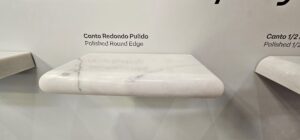
1/4 Round Edge Ogee Edge
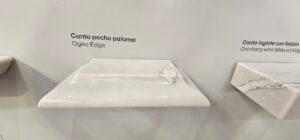
Shark Nose Edge Polished
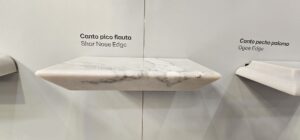
1/2 Round Edge
Overhang with Mitred Edge